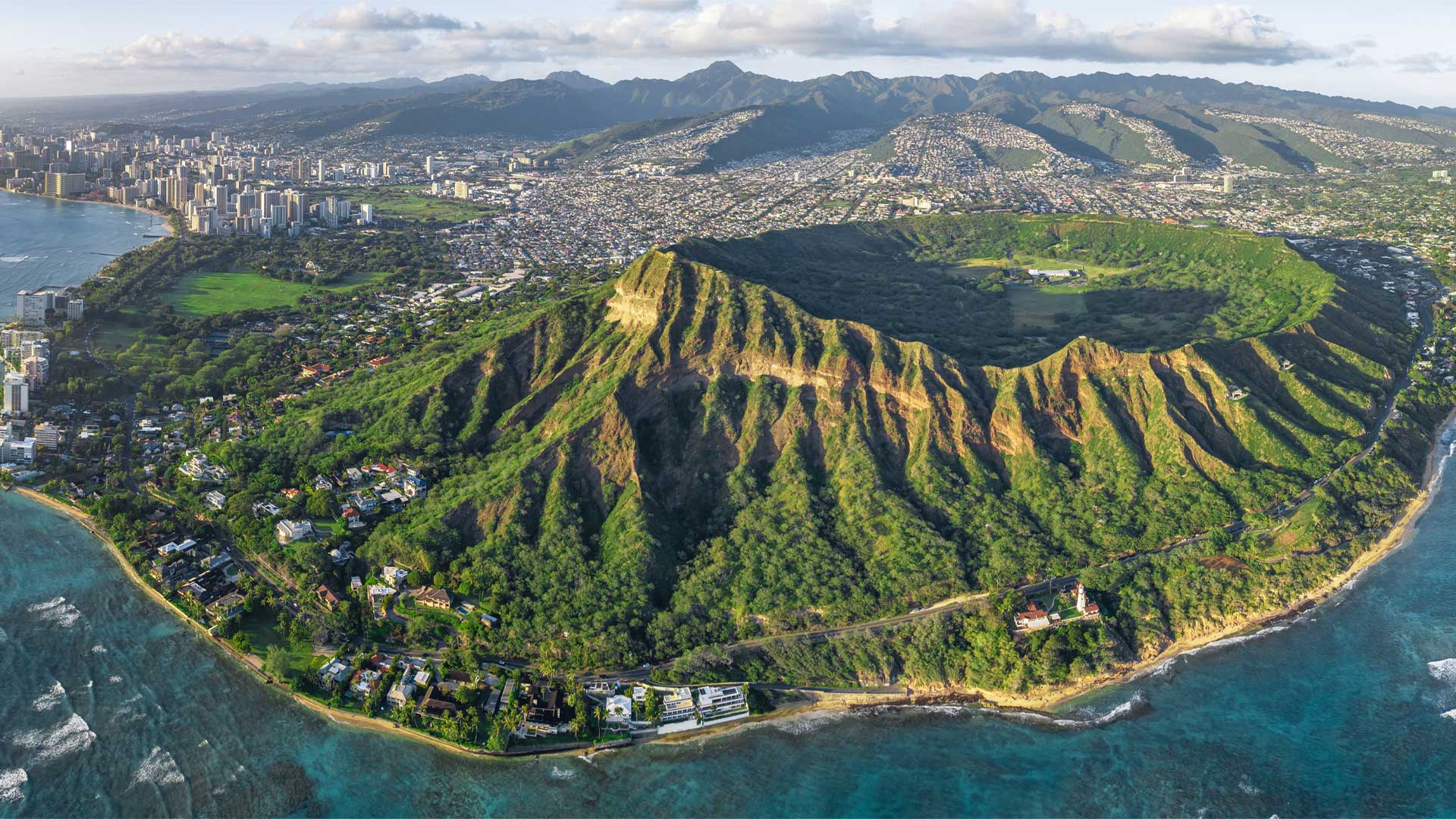
Supporting Indigenous‑led geothermal energy development in Hawaiʻi, informed by Aotearoa’s experience.
Hawaiʻi is one of the most energy‑import‑dependent regions in the United States, with high exposure to global fuel‑price volatility and transportation‑linked supply risks. Geothermal offers a stable, baseload‑grade alternative that can reduce reliance on imported diesel and other fossil fuels.
The islands sit on active volcanic systems with significant geothermal potential, particularly on the Island of Hawaiʻi and other remote communities where grid‑scale renewables are both challenging and essential.
Energy development in Hawaiʻi must also respect Native Hawaiian values, cultural landscapes, and place‑based decision‑making. Upflow Hawaiʻi helps connect geothermal technology with these priorities, ensuring projects are technically sound, socially grounded, and ecologically mindful.
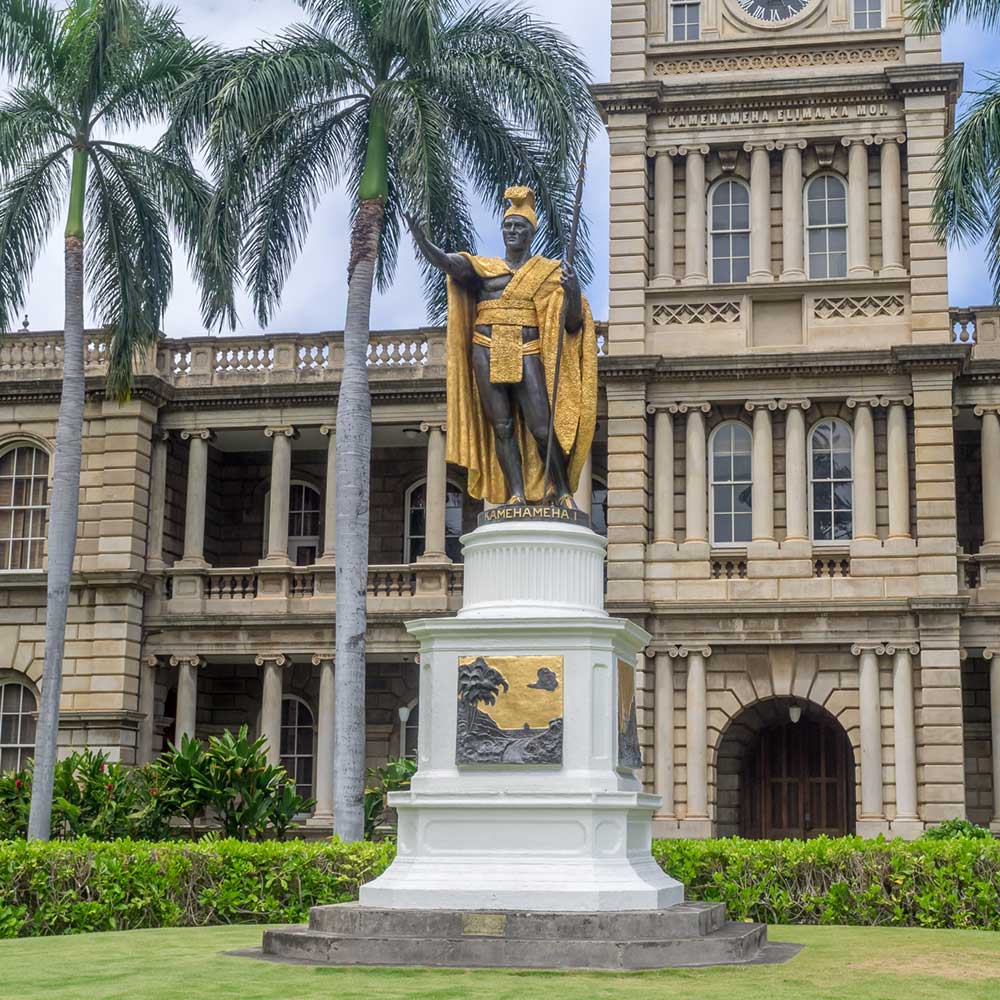
Geothermal in Hawaiʻi is most effective when shaped by the communities most directly affected by it. This includes opportunities for community‑owned plants, co‑governed projects, and models that align energy production with local economic and cultural priorities.
Upflow Hawaiʻi supports the design of governance structures, consent‑based processes, and partnership frameworks that centre Indigenous leadership and shared decision‑making.
Communities and agencies in Hawaiʻi face a complex mix of environmental, cultural, and governance considerations when assessing geothermal. These include concerns about aquifer protection, cultural sites, and the long‑term stewardship of land and resources.
Upflow Hawaiʻi works with local partners to map and clarify these barriers, identify acceptable risk thresholds, and develop pathways that respect both scientific understanding and community values.

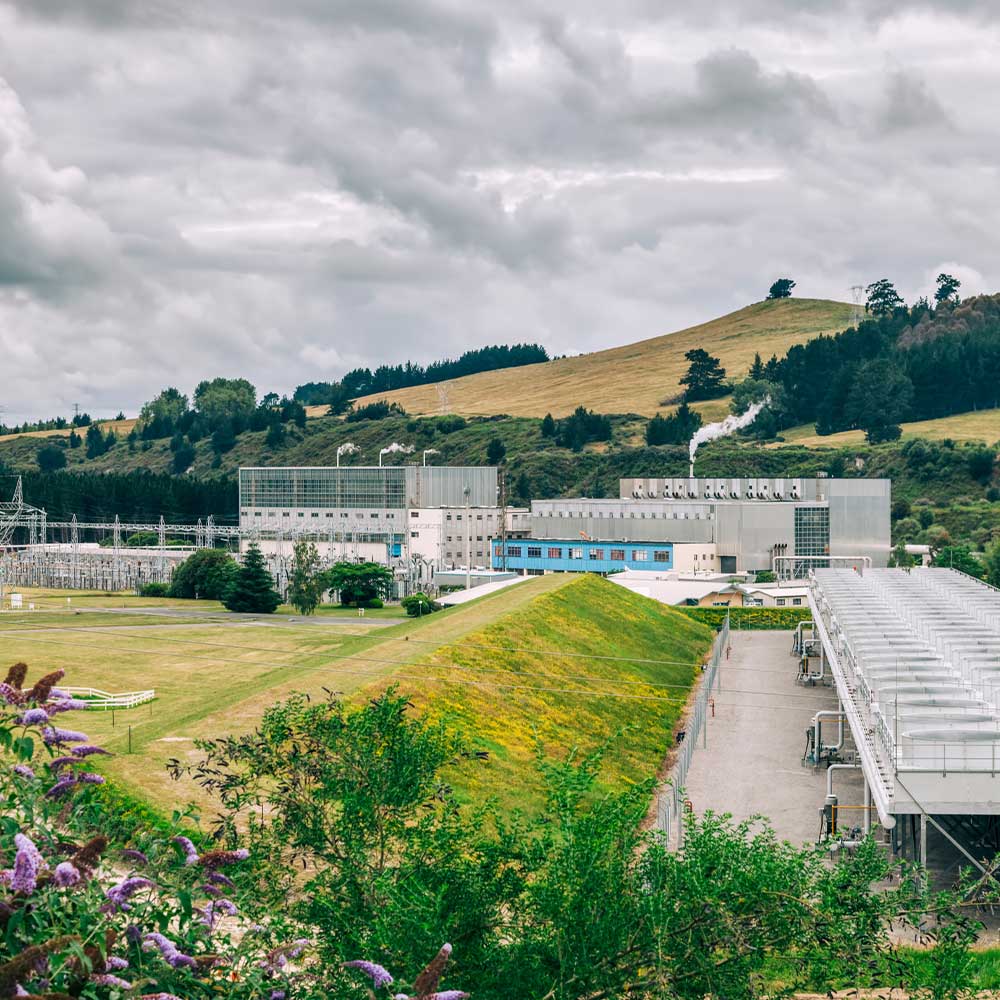
Not all geothermal projects look the same. Upflow Hawaiʻi helps identify appropriate scales and technologies for specific sites, from small, community‑sized plants to larger utility‑scale options, with an emphasis on low‑impact siting and construction practices.
Phased development, adaptive monitoring, and flexible design allow projects to evolve with community feedback and changing conditions, reducing risk and building long‑term trust.
Aotearoa has developed a long‑standing geothermal sector where Māori iwi (tribes) and communities are often key partners in project development, management, and benefit‑sharing. Upflow draws on these experiences to support similar models in Hawaiʻi.
This includes lessons on spatial planning, resource‑consent processes, and co‑design of monitoring and management plans that balance energy production with environmental and cultural care.
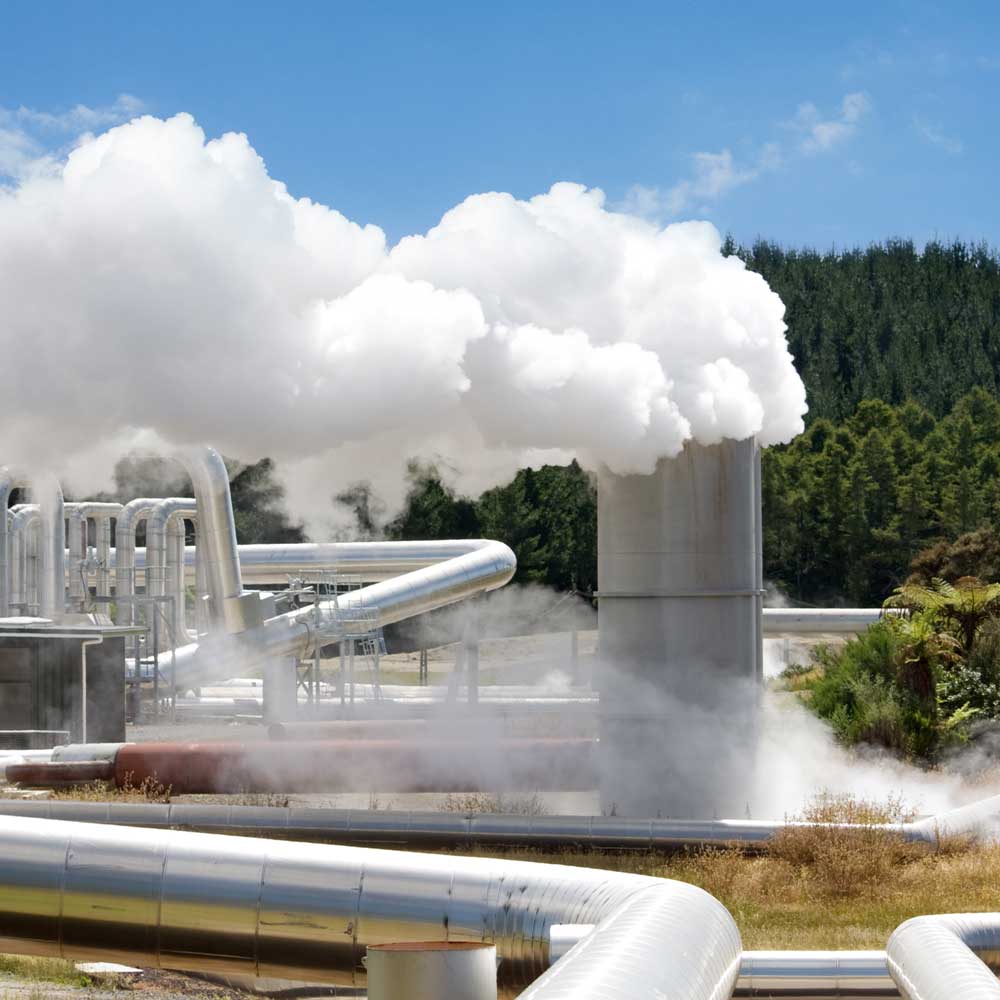
Upflow Hawaiʻi helps design engagement processes that listen first, then build consensus. This includes working with Native Hawaiian communities, agencies, and other stakeholders to clarify goals, concerns, and expectations for geothermal development.
We support the creation of culturally appropriate consultation frameworks, feedback loops, and communication materials that keep participants informed and genuinely involved.
In active volcanic environments, geothermal systems can be complex and “blind,” making exploration and resource assessment particularly challenging. Upflow Hawaiʻi brings exploration‑to‑production experience to help interpret geological, geophysical, and geochemical data in these settings.
We assist with feasibility studies, conceptual models, and drilling‑strategy support that reduce uncertainty while respecting environmental and cultural constraints.
Navigating regulations across US federal, state, county, tribal, and community‑level frameworks is a major challenge for geothermal projects in Hawaiʻi. Upflow Hawaiʻi helps map out these pathways and identify where flexibility and innovation are possible.
Our work includes gap analysis, stakeholder‑mapping, and the development of consent‑pathway strategies that move projects from concept toward clear, implementable next steps.
For geothermal to succeed in Hawaiʻi, it must be financially viable, socially acceptable, and technically sound. Upflow Hawaiʻi develops robust business‑case models that reflect community‑owned or co‑operative structures, local employment, and value‑retention within the region.
We support the design of project structures, ownership models, and implementation plans that balance risk, return, and long‑term community benefit.
Upflow staff regularly participate in Hawaiʻi‑focused energy and geothermal events, sharing insights from Aotearoa and listening to local perspectives on geothermal development. These appearances help build trust, exchange knowledge, and strengthen connections between Hawaiʻi and New Zealand.
By engaging in conferences, symposia, and community forums, Upflow Hawaiʻi contributes to broader conversations about how geothermal can support clean, resilient, and equitable energy futures in Hawaiʻi.
Upflow Hawaiʻi serves as a dedicated gateway to Upflow’s broader expertise, tailored for projects across the Hawaiian Islands. Whether you represent a community group, utility, agency, or investor, we can help you navigate the technical, governance, and engagement dimensions of geothermal development.
Based in Aotearoa but actively collaborating with communities and agencies across Hawaiʻi, Upflow Hawaiʻi is ready to help you design, assess, and advance geothermal projects that are both technically robust and culturally respectful.